Recycling and Sustainability for Landscapers Rotherhithe
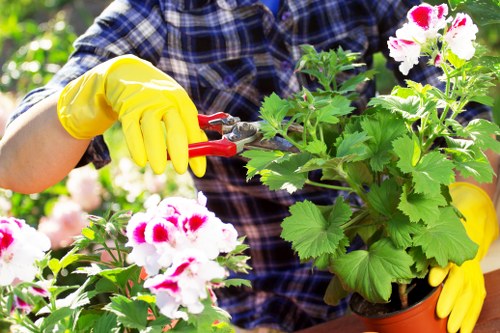 Landscapers Rotherhithe supports greener outdoor projects through an eco-friendly waste disposal area and a practical sustainable rubbish area designed to reduce landfill use, improve material recovery, and keep landscaping operations aligned with local environmental goals. From garden clearances to full site transformations, the focus is on sorting waste carefully, reusing what can be saved, and directing recyclable materials into the right local streams. This approach helps ensure that green waste, soil, timber, metals, plastics, and inert materials are handled with care rather than treated as general rubbish.
As part of a broader sustainability commitment, Landscapers Rotherhithe aims to achieve a 75% recycling percentage target across suitable waste generated from landscaping work. That includes separating organic material for composting, collecting hard landscaping offcuts for reuse where possible, and diverting recyclable packaging away from residual waste. The result is a cleaner workflow that supports both responsible site management and lower environmental impact.
In practice, this means using borough-aware sorting methods that reflect how local waste systems operate across Southwark and nearby areas. Different waste streams are separated on site, with light mention-worthy categories such as green cuttings, mixed inert spoil, clean wood, cardboard, and scrap metal. By keeping these materials distinct, Landscapers Rotherhithe makes it easier for downstream facilities to recover resources efficiently and keeps contamination rates low.
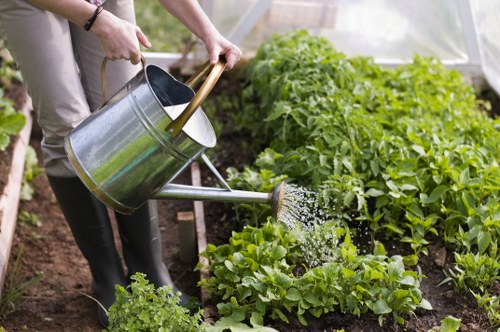 Where appropriate, recyclable landscape waste is directed through local transfer stations that serve the wider South East London area, helping reduce unnecessary mileage and supporting efficient onward processing. These facilities play an important role in sorting and consolidating loads before they move to specialist recyclers or recovery centres. Using local transfer stations also helps the business keep transport emissions down while maintaining reliable waste handling for everyday landscaping projects.
For environmentally responsible landscaping waste disposal, the team prioritises solutions that fit the material type. Soil and hardcore may be assessed for possible recovery, while untreated timber, plant waste, and clean packaging are kept out of mixed rubbish containers. In a sustainable rubbish area, every load is reviewed with recycling outcomes in mind, so the disposal route is chosen to maximise reuse and minimise landfill dependency. This careful approach is especially valuable in dense urban environments where space is limited and waste separation matters.
 Landscapers Rotherhithe also supports charity partnerships where reusable items can be passed on rather than discarded. Suitable surplus materials, garden furnishings, planters, or reclaimed decorative pieces may be directed to community organisations or reuse-led charities when condition and safety allow. These partnerships help extend the life of usable goods, support local causes, and reduce the need for virgin materials in future landscaping projects.
The recycling process is strengthened by a strong emphasis on low-carbon operations. Low-carbon vans are used where possible to help reduce emissions linked to collection and transport, especially on shorter urban routes where cleaner vehicles can make a measurable difference. Planning efficient collection sequences, grouping jobs by area, and avoiding unnecessary trips all contribute to a lower-carbon service model. This is an important part of making landscaping waste management more sustainable from start to finish.
Green waste recycling is one of the most important activities in the area because it diverts high-volume organic material away from disposal. Grass cuttings, hedge trimmings, leaves, and branches can often be processed into mulch or compost inputs, supporting circular-use outcomes. By separating organic material from general waste, Landscapers Rotherhithe helps maintain a cleaner sustainable rubbish area and supports the reuse of nutrients in a way that benefits future planting and soil improvement.
The local approach also reflects the boroughs’ emphasis on waste separation and better resource recovery. In London, many waste streams are increasingly sorted with care, and landscaping projects should follow the same principle. Materials like metal fixtures, untreated timber, stone, and plastics are kept apart when feasible so they can move through the correct recycling routes. This not only improves recovery rates but also reduces the environmental burden associated with mixed waste processing.
 Sustainability at Landscapers Rotherhithe is not limited to disposal alone; it also includes how materials are selected and handled on site. Reclaimed aggregates may be used where suitable, pallets can be reused for logistics support, and packaging is flattened and separated to improve recycling efficiency. These small but consistent practices help support the overall recycling percentage target and reinforce a low-waste culture across the business.
For projects involving garden redesign, clearance, or maintenance, the team looks for opportunities to preserve existing materials. Healthy plants may be transplanted, quality timber may be salvaged, and reusable hardscape elements can sometimes be incorporated into the next phase of work. This type of circular thinking keeps useful resources in circulation longer and reduces the demand for new materials, which in turn lowers the overall carbon footprint of the project.
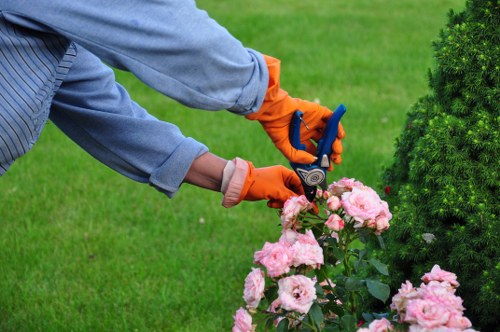 In the final stage of the process, any remaining rubbish is treated with a clear sustainability hierarchy: reuse first, recycle second, recover where possible, and landfill only as a last resort. That hierarchy helps ensure the eco-friendly waste disposal area remains focused on responsible segregation and efficient processing. By combining local transfer stations, charity partnerships, low-carbon vans, and strong waste separation habits, Landscapers Rotherhithe delivers a practical model for greener landscaping waste management in the area.

